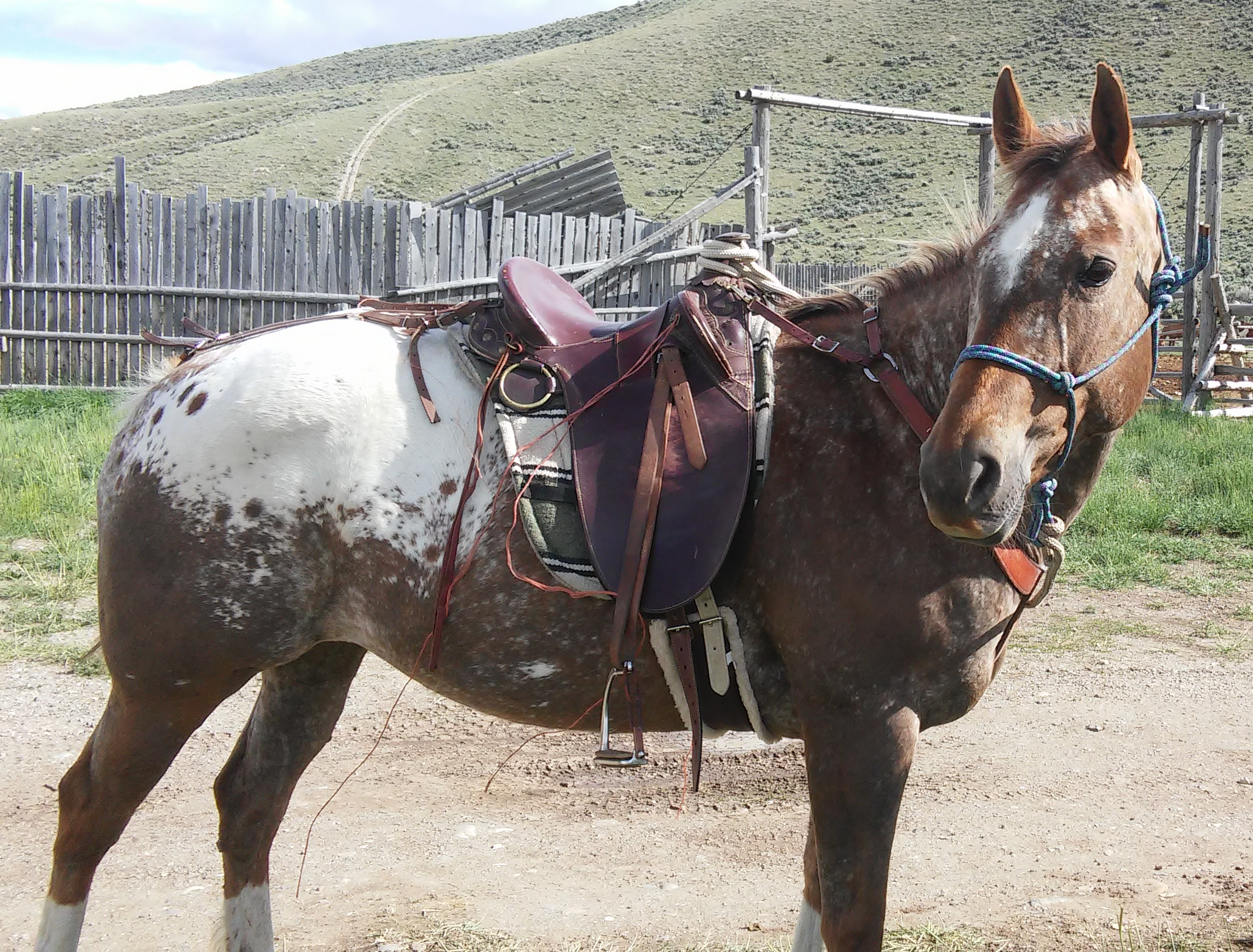
Stopping your horse sounds easy and pretty basic, but it goes deeper than that. It is more than just pulling back and expecting your horse to plant their feet and no more forward motion. The one rein stop is one of the most basic and foundational tools in teaching softness, flexion, focus, and emotional control. The one rein stop allows the handler to disengage the horse’s hind end, stop forward motion, and regain the focus of the horse Here’s the way to get a nice, smooth stop every time you ask, softly (both you and your horse).
Contrary to common thought, a one-rein stop is not about pulling a horse’s head around until it halts. This exercise works by softly flexing the horse laterally, disengaging the hindquarters, and removing forward energy. When the hindquarters step away and cross, they disengage and the horse naturally comes to a stop. True control comes from balance and softness, not leverage or strength.
First, your horse should know how to get soft in the face and neck when you pick up the lead rope and step it towards their hip (see my Horse training 1 article). This means they understand yielding to pressure, lateral flexion in motion and stopped, hindquarter disengagement, and appropriate response to pressure. Once they have that down, you are ready to ask for a soft stop. Without this understanding, the one rein stop may feel abrupt or confusing for the horse.
On the ground:
1. Start on the ground with the proper fitting halter and lead rope.
2. Stand at the horse’s shoulder, facing forward.
3. Apply light, steady pressure to the lead rope toward you.
4. Wait without pulling harder. Rather than puling or yanking on the horse, light bumps or pulses might be in order to encourage your horse to get soft and bend.
5. The moment the horse softens its neck and brings its nose around—even slightly—release completely.
6. Repeat on both sides until the horse flexes smoothly and softly, without bracing or stepping away.
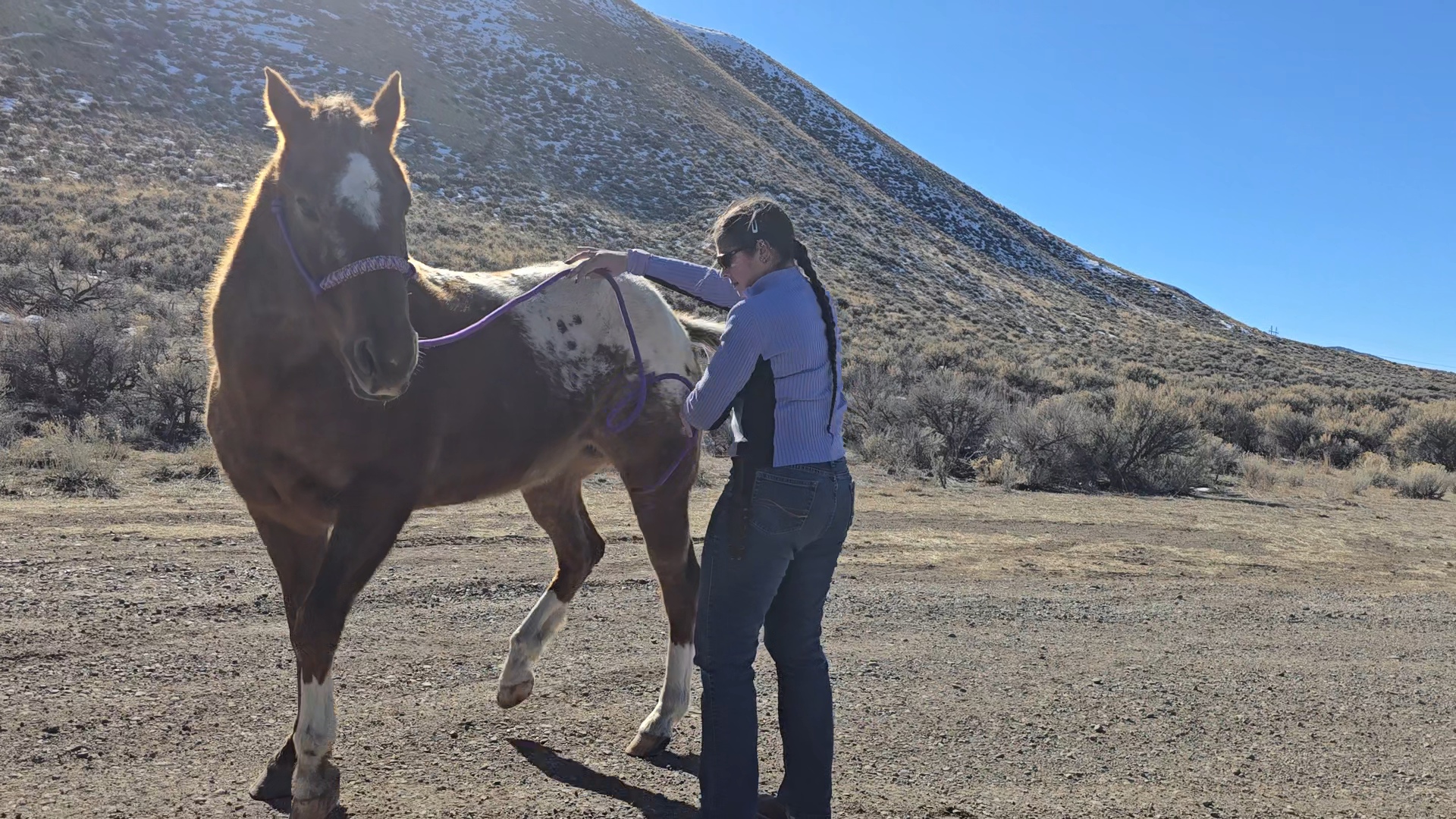
The release is key in teaching the horse what the correct answer is.
Add on disengagement of the hindquarters at the release of the lead rope by stepping toward the hindquarters, looking at the hip and lightly as possible, but firmly as necessary for the horse to disengage and take the hind leg and step underneath and away from you.
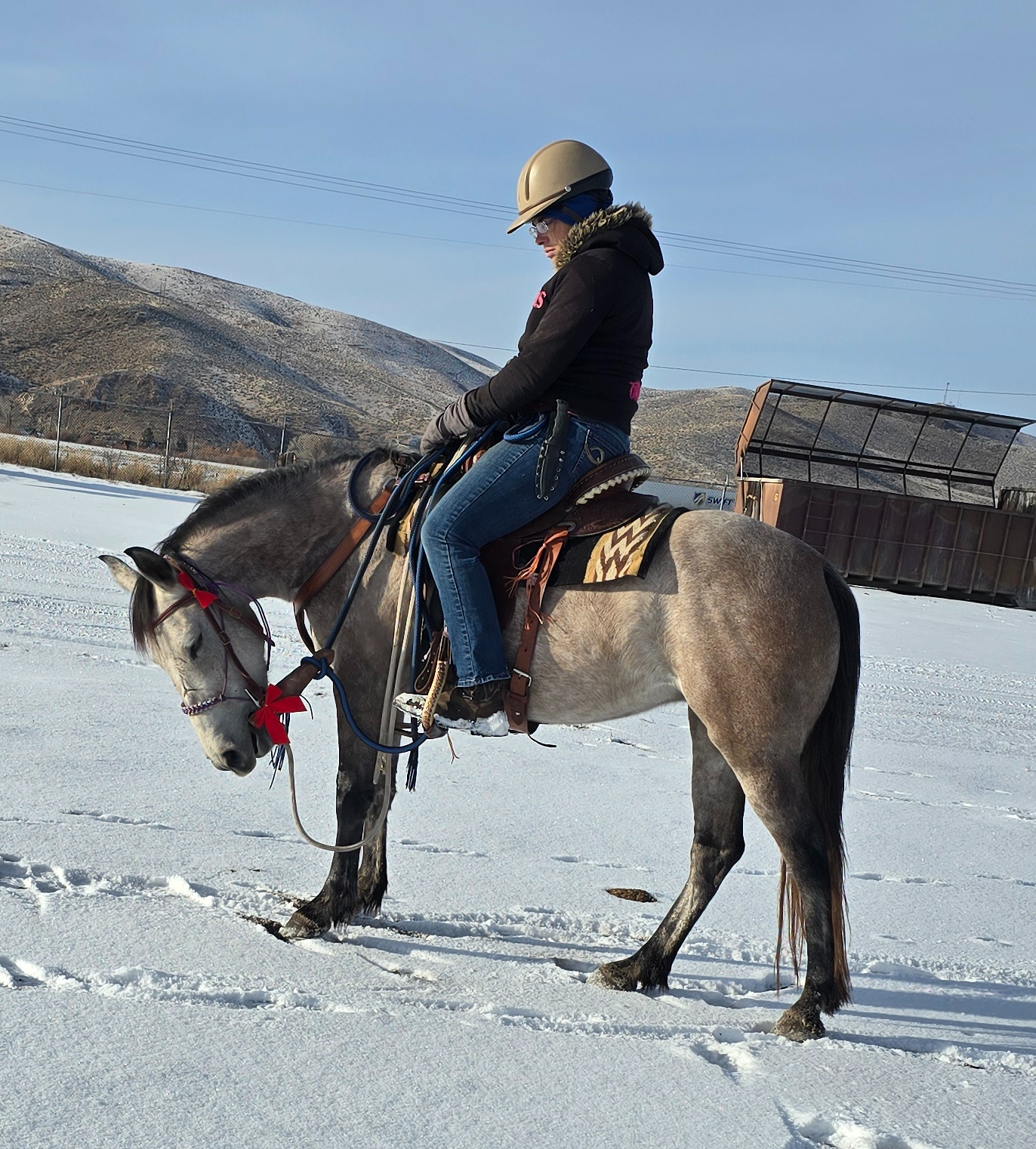
From the saddle:
1. Mount the horse in a calm environment.
2. Pick up one rein slowly, pick up the rein to engage light contact with your horses mouth, slide your hand down toward your horses mouth, then bring the rein to your thigh.
3. Bring the rein back toward your hip, but not up or across the neck.
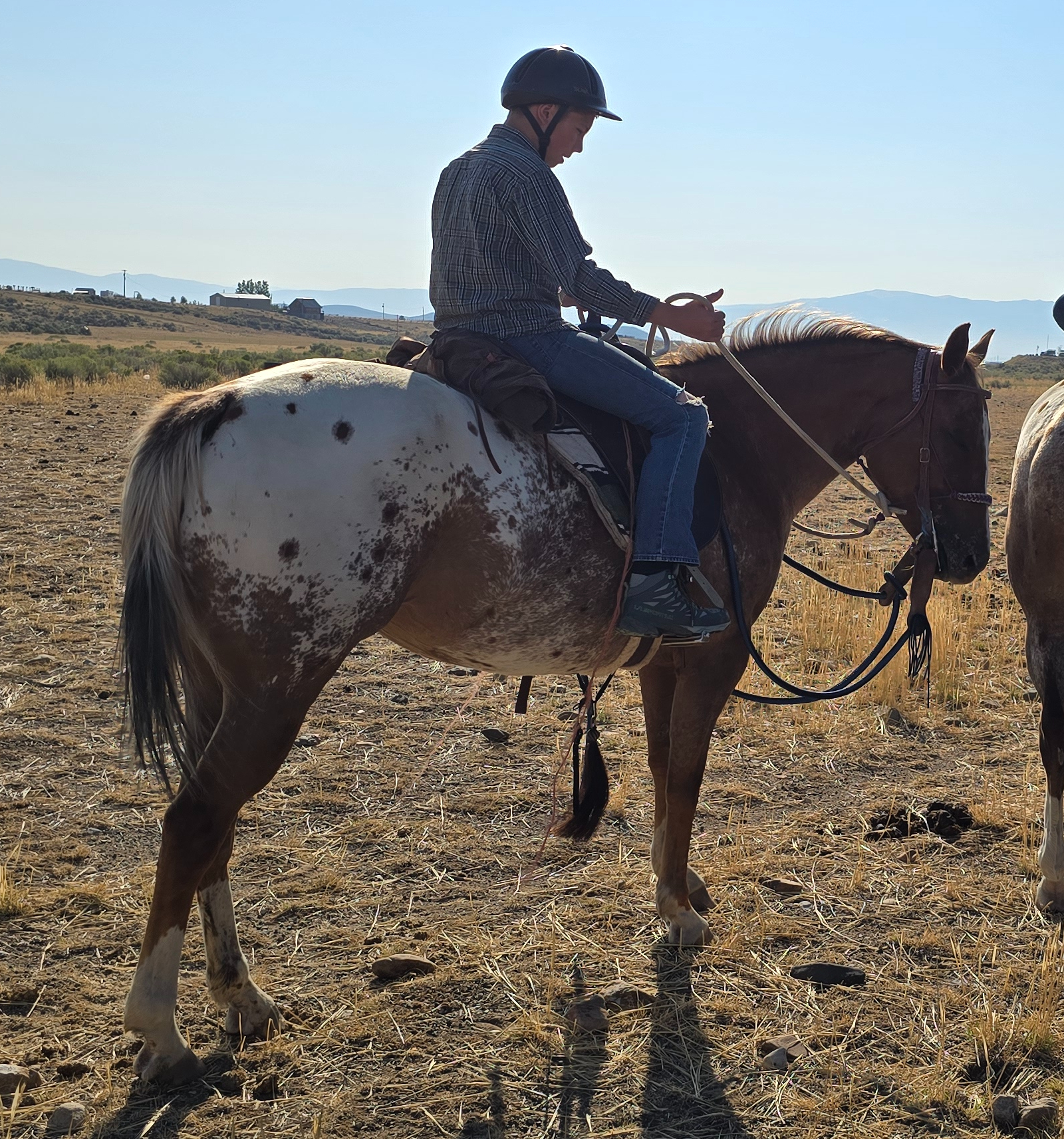
4. Wait until the horse softly brings its nose around and gives at the poll. Watching for softness in the poll is key here. If the horse has its nose poking out, it’s bracing, not getting soft. Wait and continue to ask softly. Patience here is key, along with the release.
5. Release the rein fully.
Note: Do not use your legs or seat at this stage. The horse should learn that rein pressure alone asks for softness, not movement.
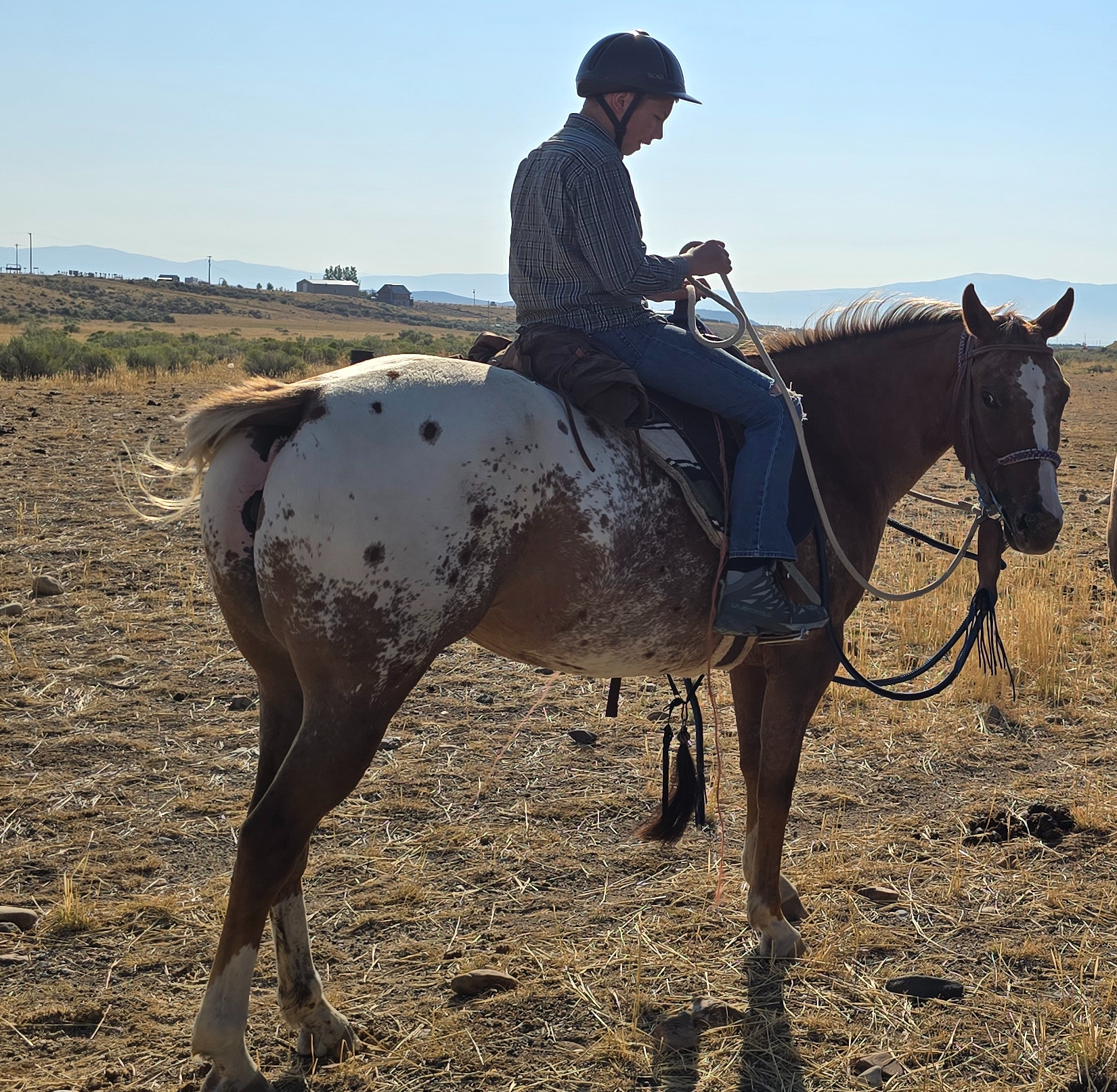
Adding the Hindquarters Under Saddle
Once your horse is consistent in a soft response to gentle contact and giving to lateral pressure, it’s time to add hindquarter disengagement.
1. Pick up one rein as before, engage lightly with the horse’s mouth and ask for flexion.
2. When the horse bends, lightly add inside leg pressure just behind the girth. Do not change the rein position at this point.
3. This should ask the hindquarters to step away and cross.
4. Release both rein and leg pressure immediately when the hind end disengages. Timing is key and takes practice. Have patience and enroll help from a knowledgeable person on the ground if your horse is struggling to understand here. Have the person on the ground follow the above cues from the ground if needed.
5. Practice until the horse stops willingly and relaxes rather than braces.
Add forward motion
1. Ask your horse to walk out on a straight line.
2. Pick up the inside rein and gently shorten it by holding it with the outside hand and sliding the inside hand down the rein.
3. Softly put your hand on your thigh, sit deep in the saddle, let out a deep breath, and think stop.
4. Wait for your horse to give softly in the nose and face, then swing its hindquarters around one step under.
5. Release the pressure and let your horse relax and rest for a min.
6. Repeat on the other side. Horses usually have it down after 3 correct tries. Once your horse has done it correctly 3 times on each side, either end the lesson or move on to the next thing.
To do this at a trot, follow the above steps, but allow the horse to come down to a walk as you shorten your rein and plant your hand on your thigh.
Common Mistakes to Avoid
1. Pulling or wrenching the horse’s head instead of softly asking and waiting.
2. Using both reins simultaneously, only use one rein, the other should have plenty of slack to not contact the horses mouth as it gives.
3. Forcing the head without disengaging the hindquarters
4. Practicing only in emergencies instead of routinely practicing. This should be practiced often.
5. Skipping groundwork
Each of these errors undermines trust and dulls the horse’s response.
When and Why to apply the One-Rein Stop
The one-rein stop is appropriate when:
1. When a horse becomes emotionally charged, to remind it to look to the rider for instruction when unsure.
2. Forward motion feels unsafe, like when the rider gets off balance or out of sorts.
It should not replace correct training, straightness, or two-rein steering, but it serves as a safety net and a communication and refocus tool.
In conclusion, teaching the one-rein stop is about developing a thinking, responsive horse—not creating a mechanical maneuver or a failsafe emergency brake. When built progressively and correctly from the ground up the one-rein stop becomes a refocusing tool between horse and rider. It reinforces trust and softness, some of the core principles of natural horsemanship itself.
About the Author
I have been training and showing horses for 30 years. I started in grade school with formal lessons at Rainbow Farms. I, also, helped in the therapeutic riding program. I progressed on into showing in eventing with another local trainer. Through her, met and trained with Alan Fox, coach for the German Olympic teams in the 80s. I trained with him until I bought my 1st horse, a yearling. I chose to dive into western speed events at that point and trained my colt and rode a friends horse to several belt buckets and a ton of feed. I cut back my riding time when I went to Architecture school at MSU. After I left MSU, I started training again. I got my first appaloosa. Through him, I fell in love with them. I took him from Mississippi to Montana to get my bachelors degree in natural horsemanship. We have been here since.
 Redemption Hometead
Leave a comment